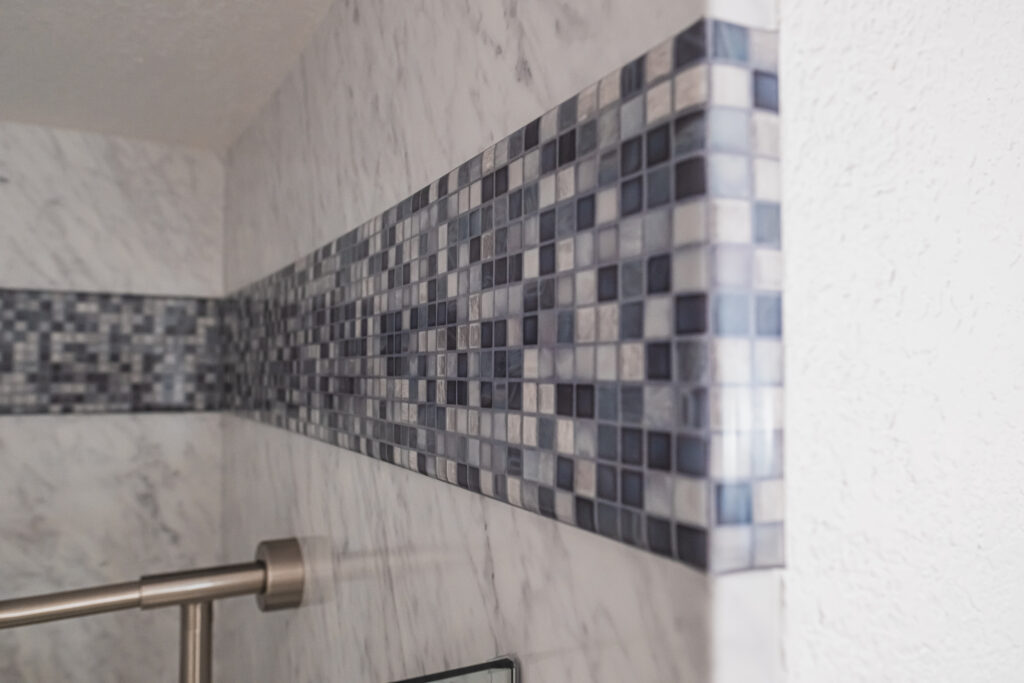
A new shower that doesn’t require constant cleaning, care and affirmation

Keeping your bathroom clean should not mean spending hours scrubbing shower walls, removing soap scum, and trying to brighten stained grout. If your current shower requires constant attention to look presentable, it may be time to consider a low-maintenance shower designed to make everyday cleaning easier.
For many homeowners, the secret to a more manageable bathroom is choosing the right combination of shower wall materials, flooring, fixtures, and enclosure features. Some materials have fewer joints where residue can accumulate, while others require more frequent cleaning or special care. A thoughtful design can reduce routine maintenance while creating a bathroom that looks modern, comfortable, and inviting.
Whether you are replacing an outdated shower, converting a bathtub into a walk-in shower, or planning a complete bathroom remodel, understanding your options can help you make a more informed decision. American Home Remodeling helps homeowners throughout Southern California explore shower replacement and bathroom remodeling solutions that balance appearance, practicality, and budget.
In this guide, we will look at what makes a shower low-maintenance, which materials are worth considering, how to reduce everyday cleaning, and what to keep in mind when planning your next bathroom upgrade.
What Makes a Shower Low-Maintenance?
A low-maintenance shower is designed to make regular cleaning straightforward without requiring constant scrubbing, specialized treatments, or frequent repairs. The materials you select play a major role, but the overall design matters just as much.
One of the biggest factors is the number of joints and seams. Traditional tiled showers have grout lines between individual tiles. These lines can collect soap residue, body oils, and mineral deposits, making them more demanding to clean. Depending on the grout product and installation, some grout may also require periodic sealing.
Large wall panels can reduce the number of joints across the shower walls. With fewer grout lines to maintain, homeowners may find it easier to wipe down the surfaces after bathing. The seams and corners still need proper installation and occasional inspection, but the regular cleaning routine can be simpler.
Surface texture is another consideration. Smooth finishes are often easier to wipe clean than heavily textured surfaces that may trap residue. The type of water in your home can also affect maintenance. Hard water contains minerals that can leave visible spots or deposits on shower walls, glass, and fixtures.
Ventilation and drainage are important, too. A bathroom that stays damp for extended periods can encourage mold and mildew growth in vulnerable areas. An effective exhaust fan, properly installed shower components, and regular cleaning all contribute to a better-maintained space.
Ultimately, a low-maintenance shower does not mean a shower that never needs attention. It means selecting materials and features that reduce unnecessary work and make routine care more manageable.
1. Choose Shower Wall Materials With Fewer Grout Lines
If reducing cleaning time is a priority, shower wall materials should be one of your first considerations. The walls cover a large portion of the bathing area, and their finish influences both the bathroom’s appearance and the effort required to keep it clean.
Premium Composite shower wall systems are worth considering for homeowners who want an updated look without the extensive grout lines found in traditional tile installations. Depending on the system, large panels can cover broad sections of the shower and create a more continuous appearance.
Fewer grout lines mean fewer narrow joints to scrub during routine cleaning. Many panel systems are designed for simple care using a soft cloth and an appropriate nonabrasive cleaner. They are also available in different colors and patterns, allowing homeowners to choose a style that complements their bathroom.
Other options include solid-surface panels, cultured-marble products, and certain acrylic or fiberglass surrounds. Each material has its own characteristics, installation requirements, and care recommendations, so it is important to compare the specific products rather than assuming they all perform identically.
Tile remains an excellent choice for homeowners who value its design flexibility. If you prefer tile but want to reduce maintenance, consider large-format porcelain tile and ask about grout products designed to resist staining. Larger tiles can reduce the number of grout joints, although they do not eliminate grout maintenance entirely.
When comparing materials, look beyond the showroom appearance. Ask how the surface should be cleaned, whether any sealing is required, how seams are maintained, and what happens if a panel or tile becomes damaged. Choosing a material that suits your cleaning preferences can make a meaningful difference over the life of your shower.
2. Consider a Walk-In Shower With a Streamlined Design
A walk-in shower can provide a modern appearance while offering an opportunity to simplify the layout of your bathroom. Replacing an old bathtub or enclosed shower with a well-planned walk-in shower may allow you to choose wall materials, fixtures, and storage features that better fit your needs.
The easiest shower designs to maintain often avoid unnecessary ledges, difficult-to-reach corners, and complicated decorative details. A straightforward layout with well-positioned fixtures can make it easier to wipe down surfaces and access the areas that need regular cleaning.
Glass enclosures can help a bathroom feel open and bright. However, glass can show water spots and mineral deposits, especially in areas with hard water. If your shower includes glass, consider how easy the panels and hardware will be to reach and clean. A simple enclosure design with fewer tracks and crevices may be easier to maintain than a complicated assembly with multiple narrow channels.
The shower entry also deserves attention. A low-threshold design may make entering and exiting easier than stepping over a tall bathtub wall. A curbless shower may be possible depending on the existing floor construction, drainage, waterproofing, and project requirements.
The best layout is one that combines practical access with manageable cleaning. Before choosing a design, consider the people who will use the bathroom, the available space, and how much maintenance you want to take on after the project is complete.
3. Understand the Difference Between Low-Maintenance and Maintenance-Free
It is easy to assume that a modern shower material will never need special attention. In reality, every shower requires some routine care, even when the walls are designed to be easy to clean.
Grout-free wall panels can reduce the need to scrub grout lines, but the seams and corners still need to be maintained. Glass may need regular wiping to minimize water spots. Shower fixtures can accumulate mineral deposits, and the drain needs to remain clear of hair and debris.
The key is to choose materials that reduce the most time-consuming tasks. For many homeowners, that means limiting the number of grout joints, selecting surfaces that are easy to wipe down, and avoiding designs with numerous small ledges or hard-to-reach details.
Cleaning instructions also matter. Some surfaces can be damaged by abrasive powders, scouring pads, or harsh chemicals. A product that works well on one type of shower wall may not be suitable for another. Always follow the manufacturer’s recommendations for the specific material and finish.
It is also important to distinguish between surface cleaning and moisture management. An easy-to-clean wall finish does not replace proper waterproofing, ventilation, or appropriate installation. If you notice persistent musty odors, loose sealant, or signs of water escaping the shower area, the underlying issue should be assessed.
A low-maintenance shower should make regular upkeep easier while still receiving the care necessary to keep the bathroom in good condition.
4. Make Glass Enclosures Easier to Maintain
Glass can give a walk-in shower a bright, open appearance, but it can also become one of the most noticeable areas to clean. Water droplets that dry on the surface may leave mineral spots, while soap residue can create a cloudy film.
One simple habit is to use a squeegee after showering. Removing excess water from the glass can help reduce the deposits left behind as droplets evaporate. This small step can make routine cleaning easier, especially when performed consistently.
The enclosure design also affects maintenance. Frameless or minimally framed glass can reduce the number of tracks and channels where residue collects, although the glass itself will still need cleaning. Doors with complicated hardware or narrow tracks may require more attention than simpler designs.
Some glass products are available with protective coatings intended to make cleaning easier. These coatings vary by manufacturer and may require specific care or periodic renewal. Ask what the coating does, how long it is expected to perform, and which cleaning products are appropriate.
Do not overlook the surrounding seals and hardware. The joints around the enclosure should be inspected periodically, and any deterioration should be addressed according to the manufacturer’s recommendations.
When planning a shower replacement, compare the appearance of different enclosures alongside their cleaning requirements. A design that is attractive and easy to access can make it more likely that regular maintenance will remain manageable.
5. Select Shower Fixtures That Are Easy to Clean and Use
Shower fixtures contribute to both the appearance of the bathroom and the amount of maintenance it requires. A well-chosen showerhead, control handle, and handheld sprayer can improve everyday convenience while keeping the design practical.
Simple fixture shapes are often easier to wipe down than highly intricate designs with many small crevices. Finishes also vary in how they show water spots, fingerprints, and soap residue. Chrome, brushed nickel, matte black, and other finishes each have their own appearance and cleaning recommendations.
For example, brushed finishes may help make some water spots less noticeable than highly reflective surfaces, although results depend on the product and the water conditions. Matte finishes can provide a contemporary look but should be cleaned using products approved by the manufacturer to avoid damaging the finish.
A handheld showerhead can be useful for rinsing the shower walls and floor, as well as for bathing while seated. The hose and mounting bracket should be positioned so they are easy to reach and do not create unnecessary clutter.
Controls should also be accessible and straightforward to operate. If you are planning a walk-in shower for long-term comfort, consider where the controls will be placed and whether the water can be turned on without stepping directly beneath the spray.
The goal is to select fixtures that complement the shower design while making cleaning and daily use more convenient. A few practical choices can improve the overall experience without adding unnecessary complexity.
6. Keep Shower Storage Simple and Practical
Shampoo bottles, soap containers, razors, and other bathing products can quickly make a shower feel cluttered. Too many items on the floor or along narrow ledges can also create extra surfaces that need cleaning.
Built-in niches and thoughtfully positioned shelves can help keep products organized. A recessed niche may provide storage without projecting far into the shower, while a well-designed shelf can keep frequently used items within easy reach.
Placement matters. A storage feature should be convenient to use without requiring excessive bending or stretching. It should also be designed so that water drains appropriately and does not remain pooled in corners or on ledges.
The number of storage areas is worth considering, too. More shelves are not always better. Adding too many ledges and compartments can increase the number of surfaces that collect soap residue. A few well-positioned storage features may be more practical than a complicated arrangement.
For a shared family bathroom, consider the number of products that need to fit inside the shower. For a smaller bathroom, vertical storage may help make better use of limited space without crowding the bathing area.
If you are replacing an old shower, take inventory of what you actually use before deciding on the new layout. Practical storage can make the finished shower look more organized and reduce the need to clean around scattered bottles.
7. Prevent Soap Scum and Hard-Water Buildup
Even a well-designed low-maintenance shower can develop soap scum and mineral deposits if residue is allowed to accumulate. Establishing a simple routine can help prevent these problems from becoming difficult cleaning projects.
Soap scum forms when soap ingredients interact with minerals in water and combine with oils and other residue. Hard water can also leave mineral deposits on glass, fixtures, and wall surfaces. The amount of buildup varies depending on water conditions, products used, ventilation, and how frequently the shower is cleaned.
Rinsing the walls after use can help remove loose residue. A squeegee or soft cloth can be useful for removing excess water from suitable surfaces. Regular light cleaning is generally easier than waiting until deposits have become thick or stubborn.
Choose cleaning products based on the shower material. Do not use acidic cleaners on natural stone unless the product is specifically approved for that surface, and avoid abrasive tools on finishes that can scratch. When in doubt, check the manufacturer’s care instructions before trying a new cleaner.
If mineral deposits remain a persistent problem, investigate the cause rather than relying on stronger chemicals. Water conditions may be contributing to the buildup, and a suitable water-treatment approach may be worth discussing with a qualified professional.
The most effective routine is one you can maintain consistently. A few minutes of regular care can help keep your shower looking better without turning cleaning into a major household chore.
8. Choose Materials That Fit Your Budget
Low-maintenance shower materials are available at different price points, and the most expensive option is not automatically the best choice for every household.
Acrylic and fiberglass surrounds may be worth considering when upfront affordability is a priority. Premium Composite and other panel systems can offer a streamlined appearance with fewer grout lines. Solid-surface products may appeal to homeowners who want a particular finish or surface construction, while tile provides extensive design flexibility.
The total project cost depends on more than the wall material. Demolition, wall preparation, waterproofing, plumbing changes, the shower base, fixtures, glass, storage, and installation labor can all influence the final bathroom remodel estimate.
Keeping the existing layout may help manage expenses when the plumbing and other components are in suitable condition. However, preserving the layout is not always the best choice if it creates functional problems or prevents necessary repairs.
When comparing estimates, confirm that the proposals include similar work and materials. Ask which wall system is being installed, what preparation is required, how the seams will be handled, and whether additional work may be necessary if concealed damage is discovered.
It is also worth considering the effort and expense associated with routine maintenance. A lower-priced material may still be a sensible choice, but understanding its cleaning requirements can help you evaluate whether it suits your preferences.
The right solution is one that fits your budget, looks the way you want, and provides a reasonable level of maintenance for your household.
9. Plan for Accessibility and Everyday Comfort
A low-maintenance shower should also be comfortable and practical for the people who use it. Homeowners planning to remain in their homes for years may want to consider accessibility features as part of the renovation.
A walk-in shower with an appropriately designed entry can reduce the need to step over a high bathtub wall. Depending on the structure and drainage requirements, a low-threshold or curbless configuration may be possible.
Grab bars can provide a secure handhold when properly selected and installed with suitable structural support. If you plan to include them, decide on the locations before the shower walls are finished so that the installer can coordinate the mounting details.
A shower seat may make bathing more comfortable for someone who prefers to sit, while a handheld showerhead can make rinsing easier. Controls should be positioned conveniently, and the floor surface should be appropriate for wet conditions.
These features should be tailored to the needs of the people who will use the shower. A design that works well for one household may not be appropriate for another, so it is worth discussing individual needs before making final decisions.
Accessibility improvements can often be coordinated with a shower replacement or tub-to-shower conversion. Planning them at the beginning can help create a cohesive design rather than requiring changes after installation.
10. Maintain Good Ventilation and Inspect Seams
Low-maintenance materials can reduce routine cleaning, but proper moisture management remains essential. Bathrooms naturally generate humidity, and moisture that remains trapped in the room can contribute to condensation and mold or mildew problems.
Use the bathroom exhaust fan as recommended and make sure it is vented appropriately. Allowing moisture to dissipate after showering can help keep the room more comfortable and reduce persistent dampness.
Inspect the shower’s seams and corners periodically. Sealant around wall panels, fixtures, and glass enclosures can deteriorate over time. If you notice cracking, separation, or signs of water escaping the shower area, have the problem evaluated and repaired appropriately.
Pay attention to changes that may indicate a larger issue, such as recurring musty odors, damaged nearby finishes, or persistent moisture outside the shower. Surface cleaning alone will not resolve a problem caused by failed waterproofing or leaking plumbing.
During a bathroom remodel, ask the contractor how the shower will be prepared and waterproofed, how the wall panels or tile will be installed, and how the seams will be finished. These details are important regardless of the material you choose.
A low-maintenance shower combines practical surface materials with sound installation and simple ongoing care.
Is a Low-Maintenance Shower Worth the Investment?
For homeowners who dislike frequent scrubbing or want to simplify household cleaning, a low-maintenance shower can be a worthwhile upgrade. The main benefit is not eliminating every cleaning task, but reducing the effort required to keep the bathing area looking presentable.
A shower with large wall panels and fewer grout lines may be easier to wipe down than a traditional installation with many small tiles. A straightforward enclosure can reduce hard-to-reach areas, while well-planned storage can help prevent clutter.
The value of the upgrade depends on the condition of your current bathroom and the improvements you want to make. If the existing shower is cracked, stained, difficult to clean, or outdated, replacement may offer an opportunity to address several concerns at once.
However, it is important to choose a solution that fits your actual needs rather than assuming that every modern material will perform the same way. Compare product specifications, care instructions, installation requirements, and total project costs before deciding.
For some homeowners, replacing only the shower may be enough. Others may benefit from a full bathroom remodel that coordinates the shower, vanity, flooring, lighting, and storage.
The best investment is one that improves your everyday experience while fitting your budget and maintenance preferences.
Frequently Asked Questions About Low-Maintenance Showers
What is the easiest shower material to keep clean?
Many homeowners find smooth, grout-free wall panels easy to maintain because they reduce the number of grout lines that need regular cleaning. Premium Composite, solid-surface, and other panel systems are worth comparing. The specific product’s finish, installation, and cleaning instructions should guide your decision.
Are shower wall panels easier to maintain than tile?
Wall panels can be easier to maintain because they typically have fewer joints than a tiled shower. Tile offers more flexibility in colors, patterns, and layouts, but grout requires regular attention. Large-format tile and suitable grout products may help reduce maintenance if you prefer a tiled design.
How can I keep my shower clean with less effort?
Rinse away residue when practical, use a squeegee or soft cloth on suitable surfaces, clean regularly with manufacturer-approved products, and keep the bathroom ventilated. Addressing soap scum and mineral deposits early can prevent them from becoming harder to remove.
Do low-maintenance showers prevent mold and mildew?
No shower material can guarantee that mold and mildew will never develop. Proper installation, ventilation, regular cleaning, and maintained seams all play important roles. Materials with fewer grout lines may simplify routine care, but they do not replace good moisture management.
Is a walk-in shower easier to maintain than a bathtub and shower combination?
It depends on the design and materials selected. A walk-in shower with simple wall panels, accessible surfaces, and a straightforward enclosure may be easier to clean than an older, complicated setup. Glass, fixtures, and shower flooring still require regular maintenance.
Can I make my existing shower more low-maintenance without remodeling?
You may be able to simplify cleaning by establishing a regular care routine, reducing clutter, using a squeegee, and choosing cleaning products appropriate for your existing surfaces. If the walls are damaged, the grout is deteriorating, or the shower is difficult to clean despite regular care, replacement may be worth considering.
How much does a low-maintenance shower remodel cost?
The cost depends on the shower’s size, selected wall materials, demolition, plumbing, shower base, fixtures, glass enclosure, and installation requirements. Request a detailed bathroom remodel estimate based on your actual space rather than relying on a general price alone.
Upgrade to a Shower That Is Easier to Maintain
A low-maintenance shower starts with smart decisions about materials, layout, fixtures, and installation. Choosing wall panels with fewer grout lines, keeping storage practical, selecting easy-to-clean fixtures, and establishing a simple care routine can all help reduce the effort required to keep your bathroom looking its best.
Whether you are replacing an aging shower, planning a walk-in shower installation, or considering a tub-to-shower conversion, the right design can improve everyday comfort while creating a cleaner, more modern appearance.
American Home Remodeling helps homeowners throughout Southern California explore bathroom remodeling options that balance attractive design, practical features, and budget-conscious planning. We can help you consider shower replacement options and choose features that suit your home’s layout and your preferences.
Ready to explore a low-maintenance shower for your home?
Call (888) 940-9995 or visit ahrbathrooms.com to schedule your free bathroom remodel estimate today.